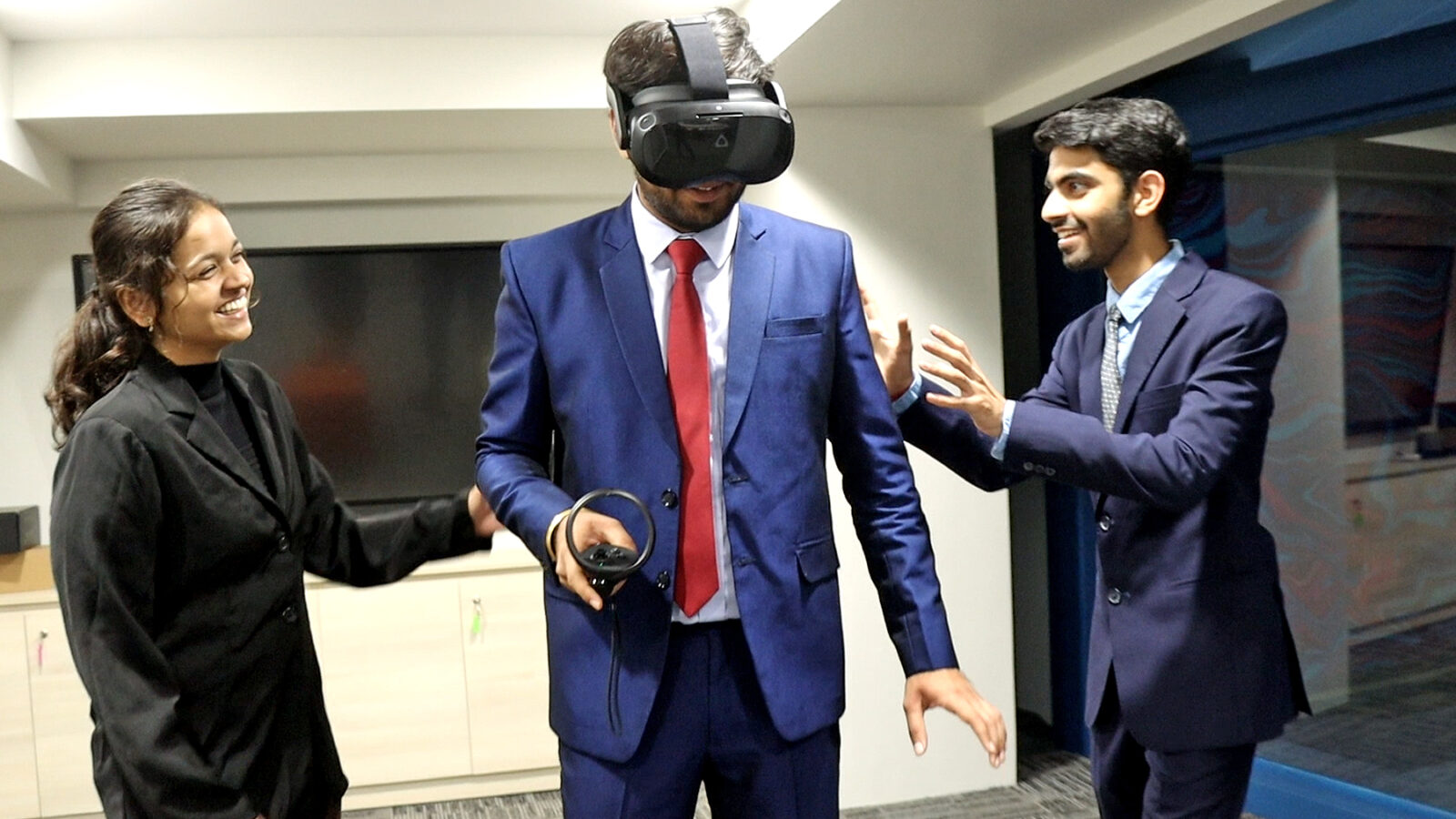
Code That Learns: The Quiet Break from Traditional Software
Traditional software runs on rules written by engineers. Machine learning changes the bargain: instead of hand-coding every decision, developers train systems to infer patterns…
Plain-English reporting on AI, semiconductors, automation, robotics, compute, energy, and the future of work.
Evergreen guides that break down complex technical shifts in plain English without losing rigor.
Traditional software runs on rules written by engineers. Machine learning changes the bargain: instead of hand-coding every decision, developers train systems to infer patterns…
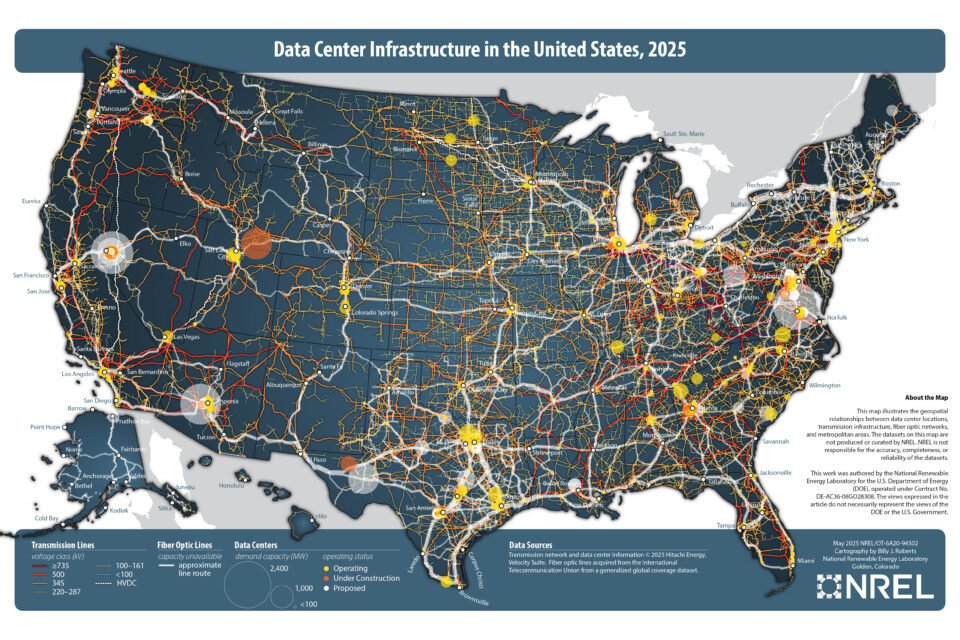
Edge computing is shifting more work out of centralized cloud regions and into factories, stores, cell sites, vehicles,…
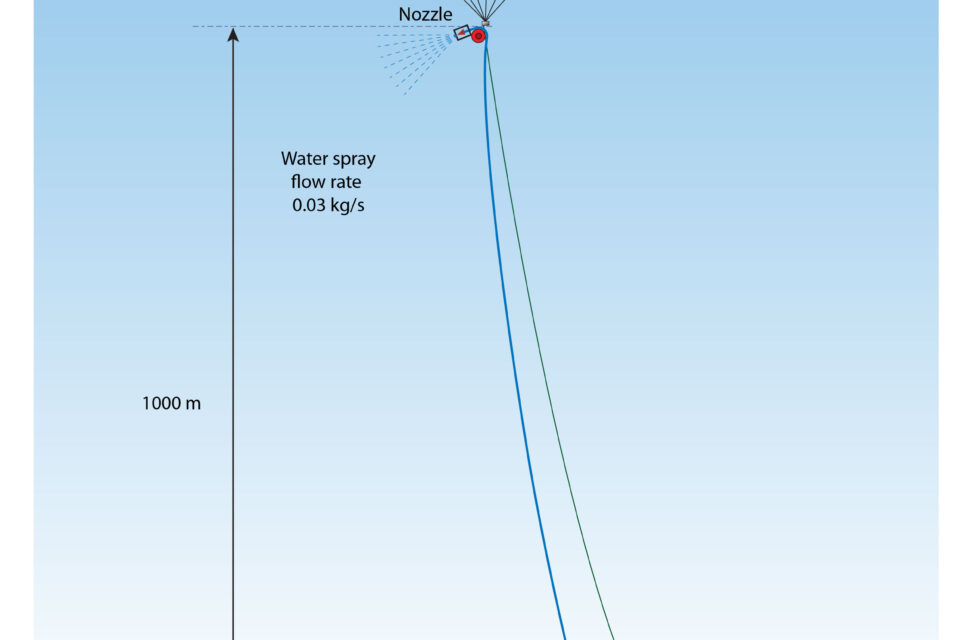
Deploying an AI model is no longer a single technical step; it is a production system spanning chips,…
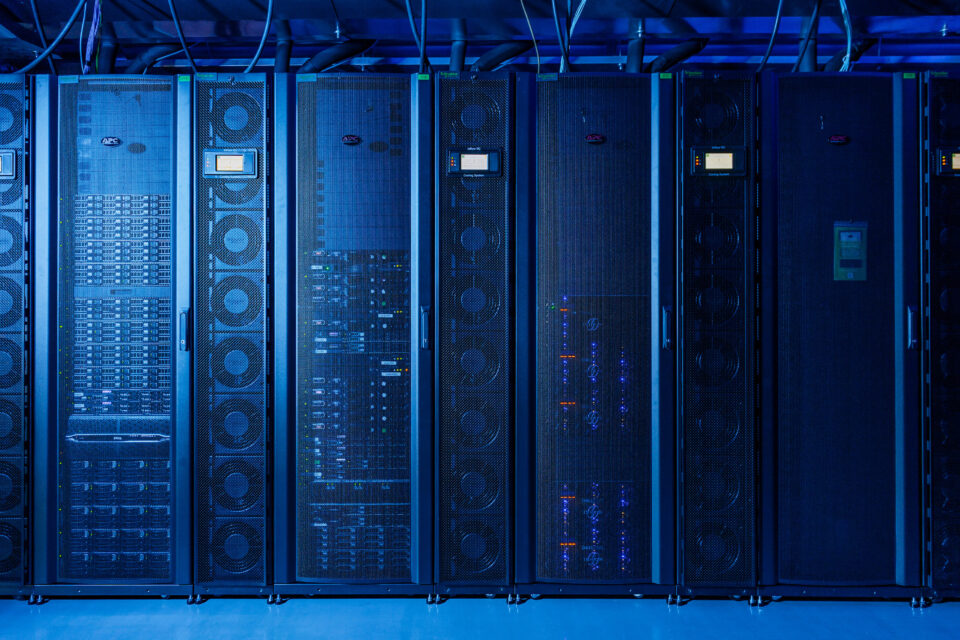
Cloud computing centralizes data and applications in remote data centers, while edge computing pushes processing closer to devices,…
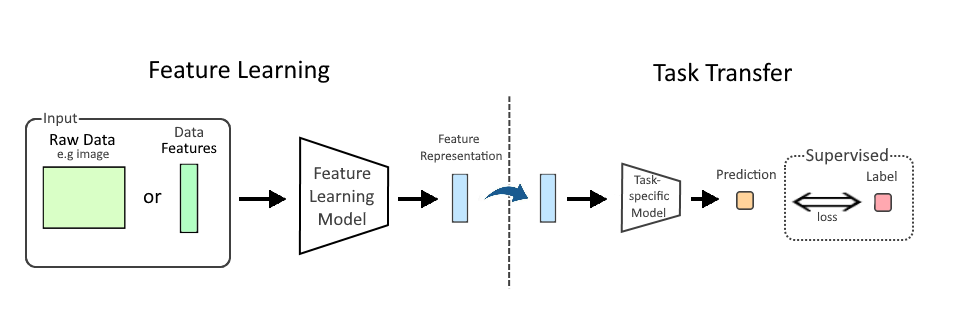
Deep learning is the engine behind image recognition, language models, recommendation systems, and more—but its real power comes from a simple idea: letting machines…
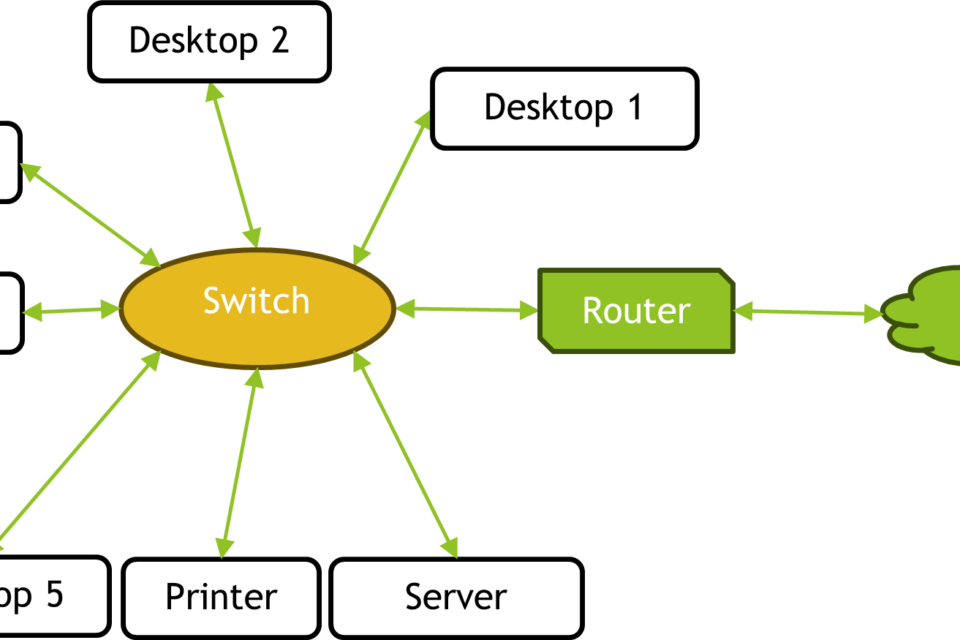
AI gives robots perception, planning, and adaptability; robotics supplies the motors, sensors, and safety systems that turn those capabilities into action. The real story…
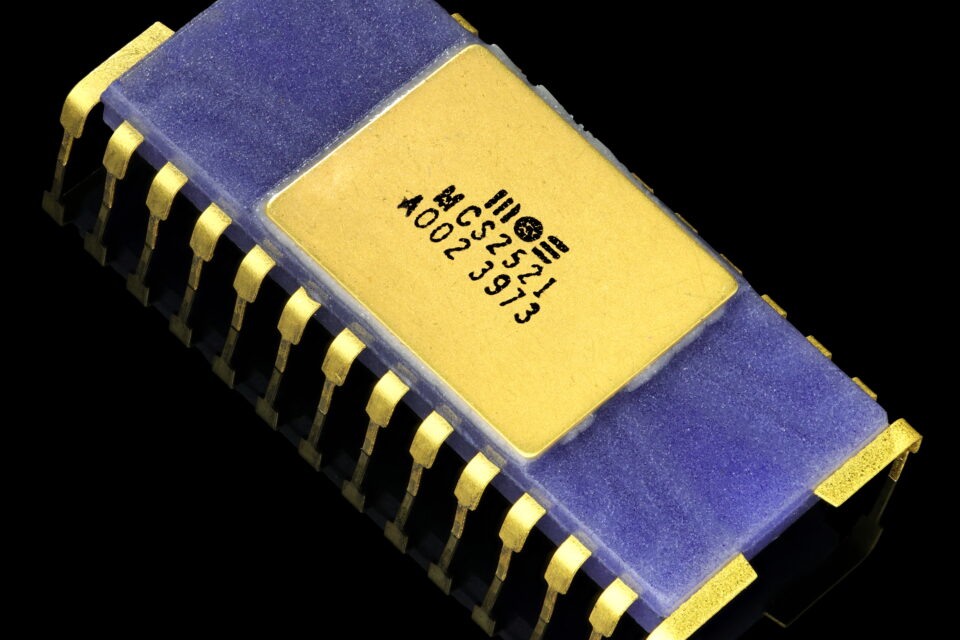
Semiconductors are often discussed as products, but the global chip supply chain is better understood as an industrial system built around bottlenecks, dependencies, and…

Training gets the headlines, but inference is where AI meets users, products, and revenue. It is also the workload that will shape chip demand,…
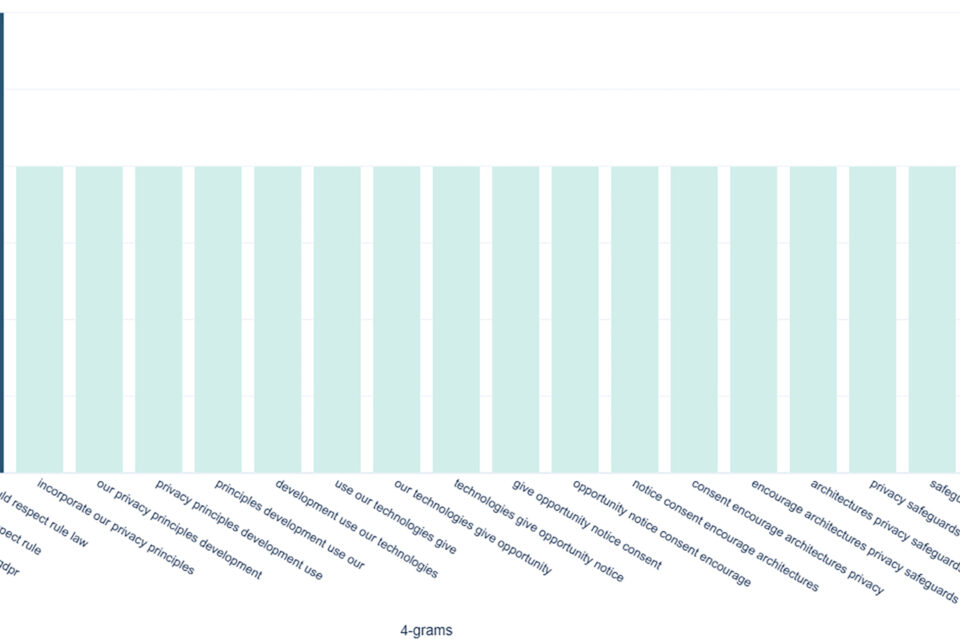
AI is making data more useful, more valuable, and harder to contain. The result is a new privacy bargain shaped by regulation, corporate incentives,…

The move from 3nm to 2nm is not a simple speed race. The real story is whether chipmakers, cloud providers, and device makers can…