
OpenAI’s Model-Scaling Playbook Is Really a Compute Story
OpenAI’s competitive edge is not just better models; it is the ability to turn research ideas into massive training runs, then ship them through…
Plain-English reporting on AI, semiconductors, automation, robotics, compute, energy, and the future of work.
Built for readers who want plain-English reporting on AI, chips, data centers, robotics, automation, and the infrastructure reshaping work and power.
OpenAI’s competitive edge is not just better models; it is the ability to turn research ideas into massive training runs, then ship them through…

AI systems are only as useful as the data that reaches them, and that data rarely arrives in…

RPA is best understood not as an AI replacement layer, but as a software control plane for repetitive…
Each pillar is structured to support explainers, deep dives, company analysis, and internal topic clustering as the publication grows.
Models, tooling, and deployment in the real world.
Semiconductor strategy, fabs, and supply chains.
GPUs, accelerators, clusters, and hardware economics.
Machines entering warehouses, factories, and field work.
Software and industrial systems replacing friction.
Facilities, land, networking, and cooling constraints.
Power, grid capacity, and infrastructure bottlenecks.
How technology changes work, power, and daily life.
Deep dives into the firms shaping the stack.
Clear guides for readers who want depth without jargon.
A focused reading list for following the industrial systems, policy questions, and company decisions behind emerging technology.
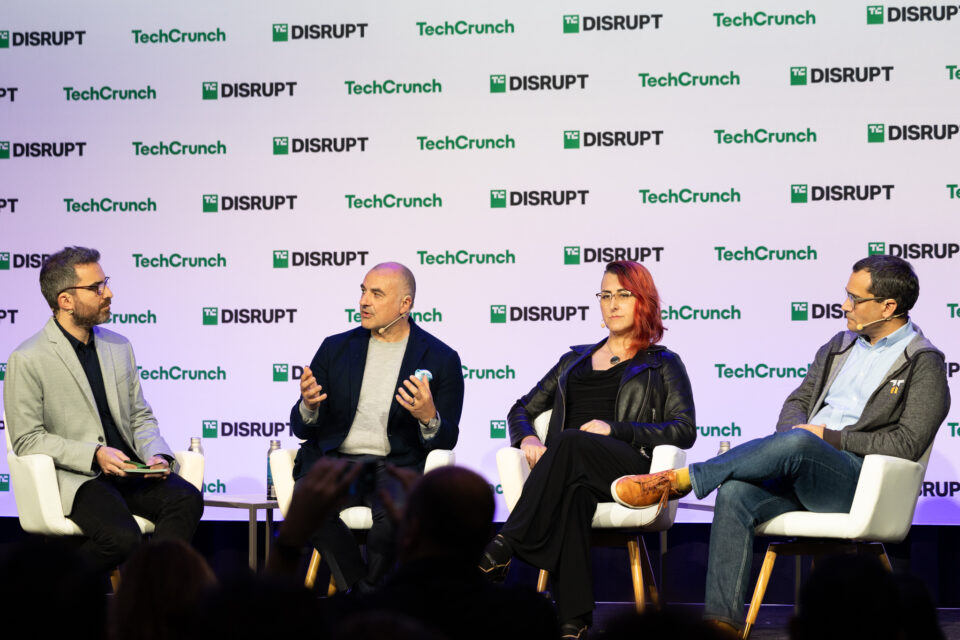
A new class of startups is not just selling AI infrastructure; it is exposing where the market is still brittle. Their edge comes from…

Cloud computing looks intangible from the outside, but every request rides on a stack of servers, networking gear, power delivery, and cooling systems that…

Generative AI is changing not just how art is made, but how it is valued, licensed, and paid for. The bigger question is no…
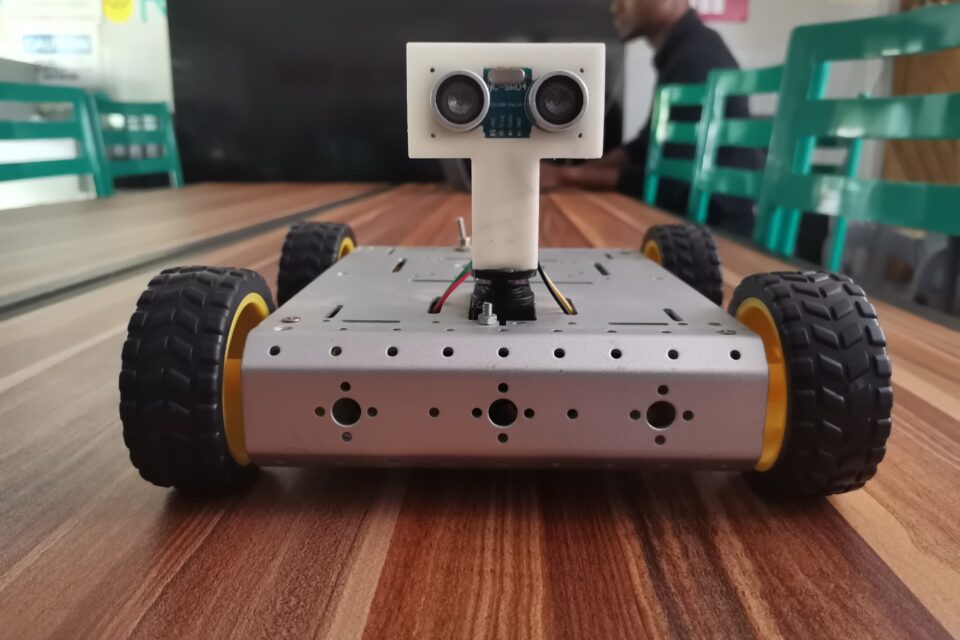
Robots are no longer just moving bins and pallets in warehouses; they are reshaping how inventory moves, how labor is allocated, and how quickly…

Google is no longer the only company that matters in AI, but it still occupies a uniquely powerful position. Its advantage is not a…

Google is not trying to win the AI market with a single product. It is competing by controlling the stack: models, chips, cloud infrastructure,…
Evergreen explainers, company analysis, and longform context for readers who want more than the day's announcement cycle.

Governments are no longer treating AI as a vague future risk. They are writing rules around how models are trained, deployed, audited, and monitored…

AI is not simply replacing jobs or creating new ones. It is reorganizing work around software, capital, and policy choices that will determine who…
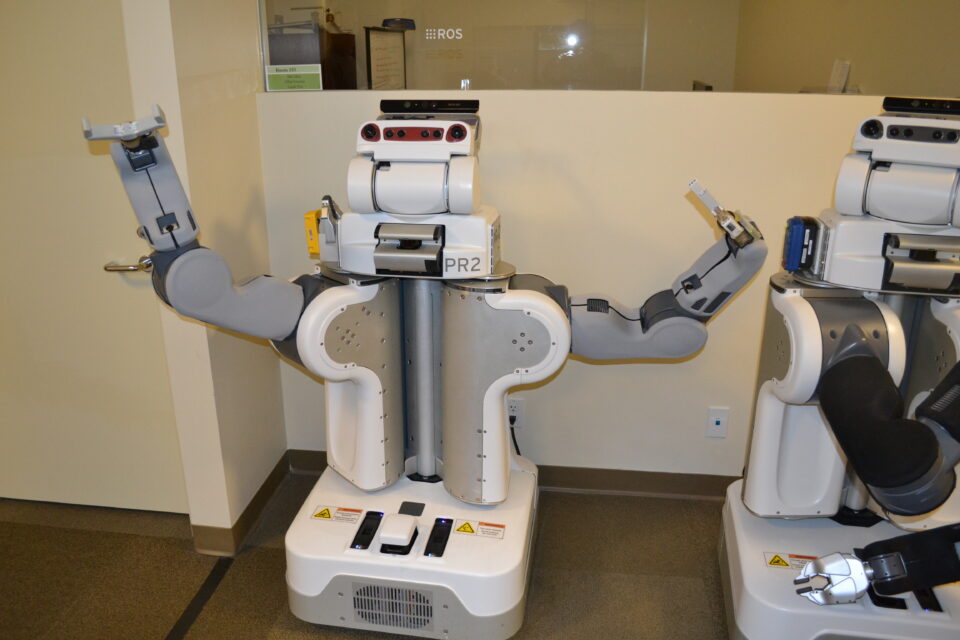
Manufacturing robots are no longer just tools for repetitive welding or painting. The real shift is where they fit in the workflow: alongside human…

Amazon did not just adopt warehouse robots; it turned them into a systems-level advantage. Its scale reveals the…
Coverage of the tradeoffs, second-order effects, and public decisions that turn technical change into lived consequences.

TSMC’s dominance is not a story of one breakthrough, but of disciplined execution across process technology, packaging, yield, and customer trust. That combination has…

Cobots promise safer, more flexible automation by working alongside people instead of behind cages. The real question is not whether they can help, but…