
OpenAI’s Model-Scaling Playbook Is Really a Compute Story
OpenAI’s competitive edge is not just better models; it is the ability to turn research ideas into massive training runs, then ship them through…
Plain-English reporting on AI, semiconductors, automation, robotics, compute, energy, and the future of work.
Evergreen guides that break down complex technical shifts in plain English without losing rigor.
OpenAI’s competitive edge is not just better models; it is the ability to turn research ideas into massive training runs, then ship them through…

AI systems are only as useful as the data that reaches them, and that data rarely arrives in…

RPA is best understood not as an AI replacement layer, but as a software control plane for repetitive…

Cloud computing looks intangible from the outside, but every request rides on a stack of servers, networking gear,…

Generative AI is changing not just how art is made, but how it is valued, licensed, and paid for. The bigger question is no…
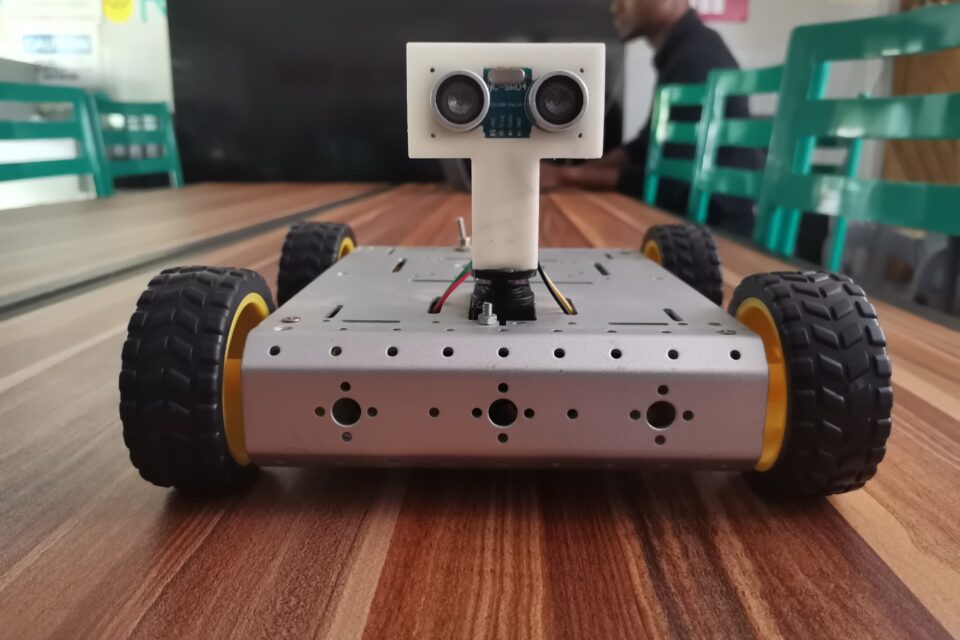
Robots are no longer just moving bins and pallets in warehouses; they are reshaping how inventory moves, how labor is allocated, and how quickly…

Google is not trying to win the AI market with a single product. It is competing by controlling the stack: models, chips, cloud infrastructure,…

Governments are no longer treating AI as a vague future risk. They are writing rules around how models are trained, deployed, audited, and monitored…

AI is not simply replacing jobs or creating new ones. It is reorganizing work around software, capital, and policy choices that will determine who…
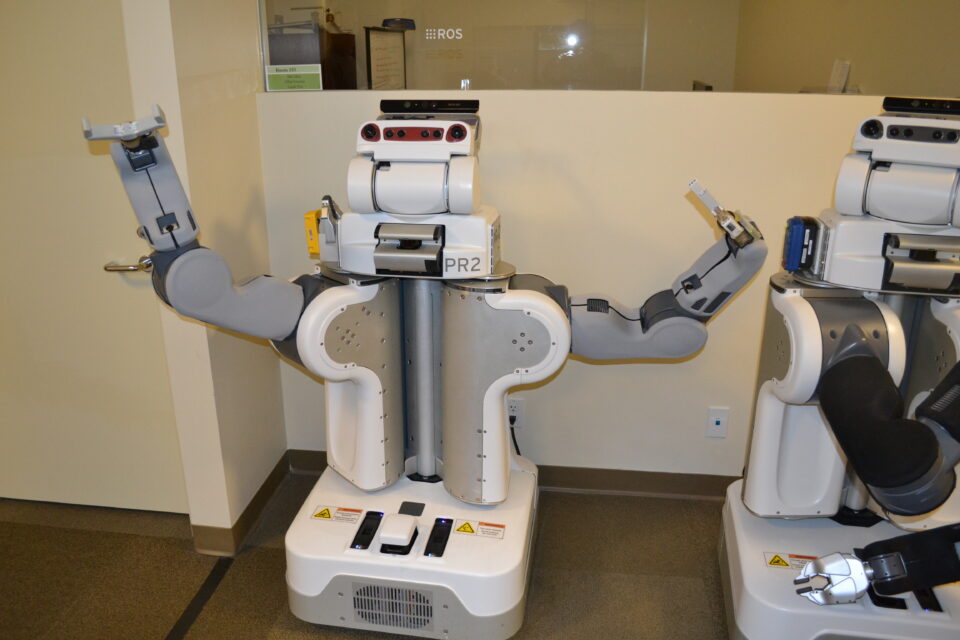
Manufacturing robots are no longer just tools for repetitive welding or painting. The real shift is where they fit in the workflow: alongside human…