
The API Layer: Where Modern Software Actually Connects, Scales, and Breaks
APIs are the control plane of modern applications: they let services, apps, and devices exchange data without knowing each other’s internal code. That convenience…
Plain-English reporting on AI, semiconductors, automation, robotics, compute, energy, and the future of work.
Evergreen guides that break down complex technical shifts in plain English without losing rigor.
APIs are the control plane of modern applications: they let services, apps, and devices exchange data without knowing each other’s internal code. That convenience…

AI is making robots more capable, but the hard part is still deployment: power, latency, reliability, and the…

Smart factories are not powered by one big model. They work when sensors, PLCs, vision systems, and industrial…
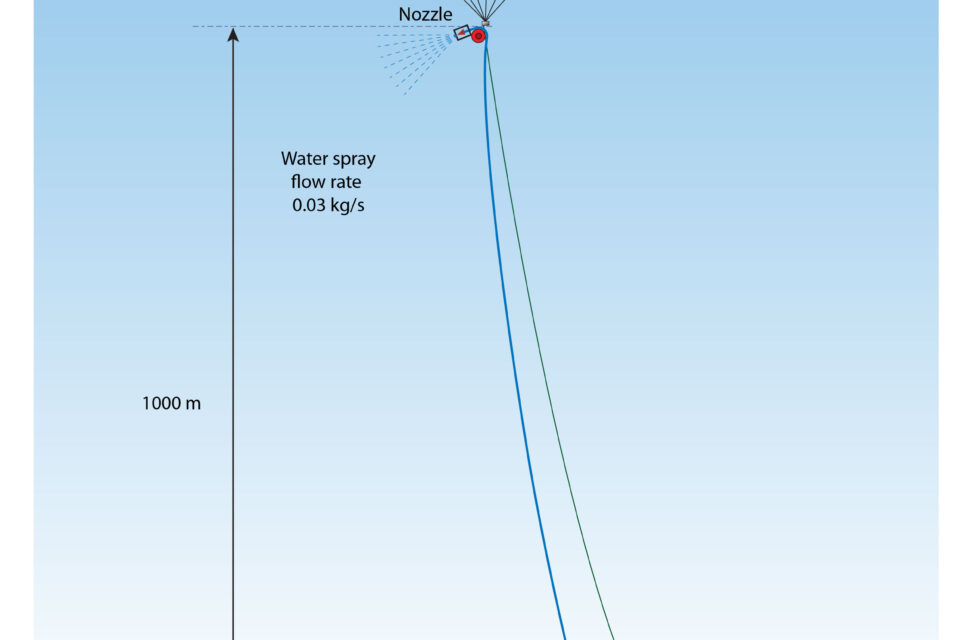
Deploying an AI model is no longer a software-only task. At scale, it becomes a systems problem that…

Automation is not simply replacing jobs; it is reorganizing which skills, firms, and regions capture value from work. The middle class is feeling that…

The chip industry is not one supply chain but a stack of specialized chokepoints, each with its own physics, economics, and geopolitical risks. Understanding…
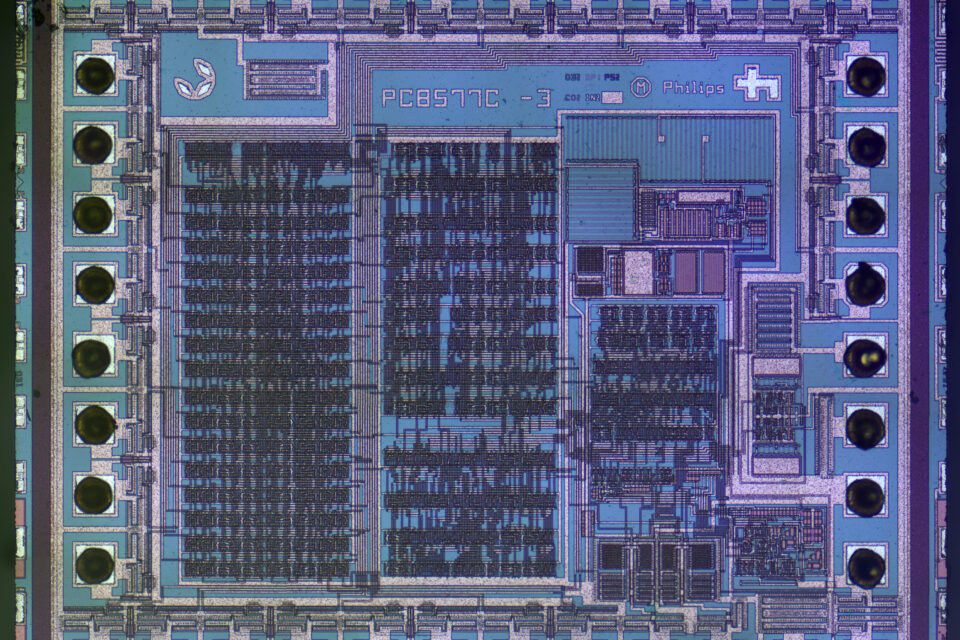
As chipmakers push transistors smaller, more of the real constraint shifts to packaging: the layer that connects dies, memory, power, and cooling into a…

Universal Basic Income is usually framed as a morality play about robots replacing jobs. The more serious question is fiscal: if automation keeps lifting…

AI gives robots better perception, planning, and adaptation; robotics gives AI a body that must survive the real world. The valuable systems sit at…

A data pipeline is the machinery that turns raw information into something an AI system can actually use. In practice, it determines model quality,…