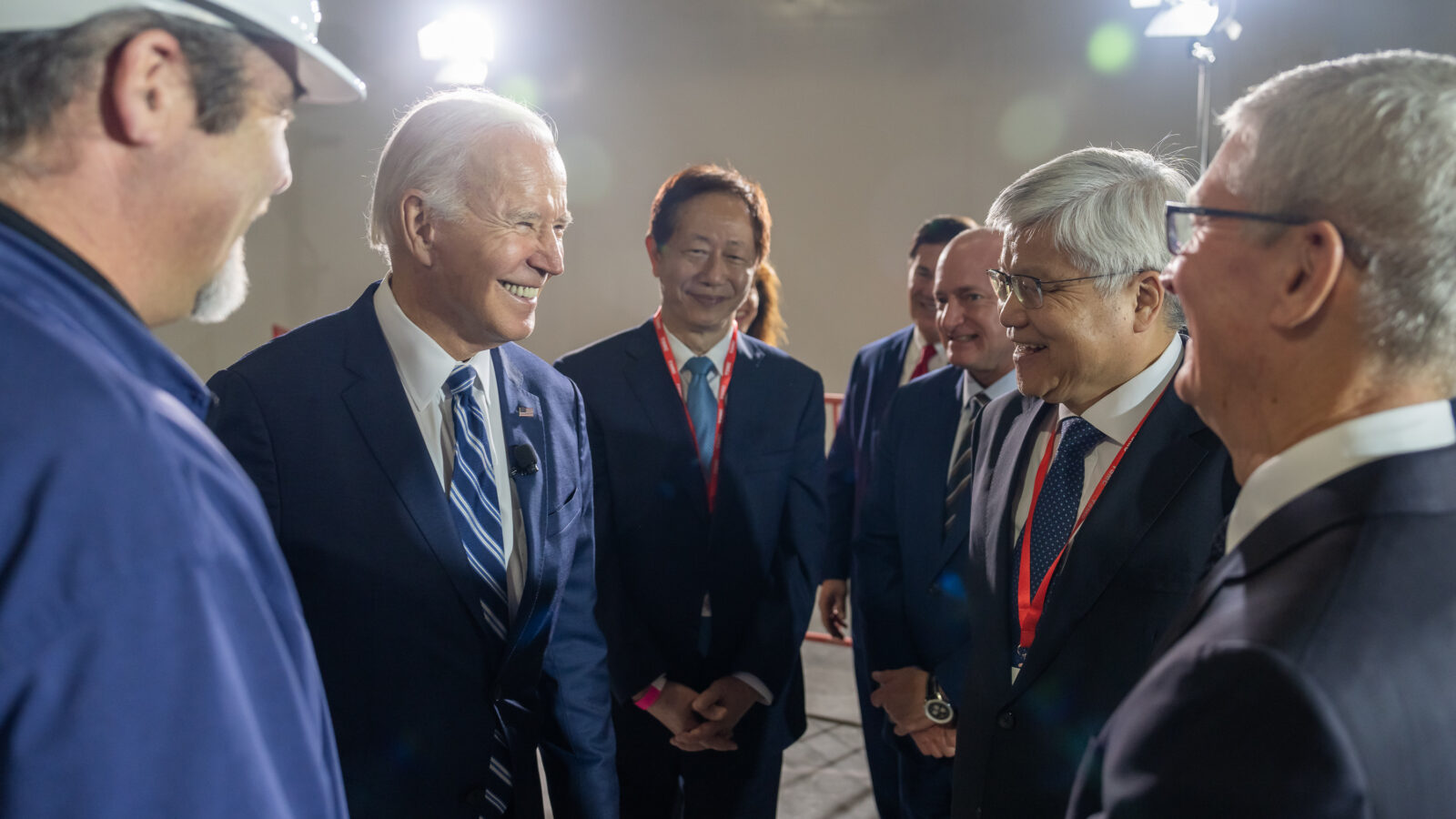
The Manufacturing Edge: Why TSMC Still Sets the Pace in Chips
TSMC’s dominance is not a story of one breakthrough, but of disciplined execution across process technology, packaging, yield, and customer trust. That combination has…
Plain-English reporting on AI, semiconductors, automation, robotics, compute, energy, and the future of work.
Evergreen guides that break down complex technical shifts in plain English without losing rigor.
TSMC’s dominance is not a story of one breakthrough, but of disciplined execution across process technology, packaging, yield, and customer trust. That combination has…

Cobots promise safer, more flexible automation by working alongside people instead of behind cages. The real question is…

Smart factories are built on a simple promise: if machines can observe themselves in real time, production gets…

Artificial intelligence is often framed as a problem of bias or safety, but the deeper issue is who…
Cloud computing and edge computing are often framed as rivals, but in practice they solve different problems in the same stack. The real choice…
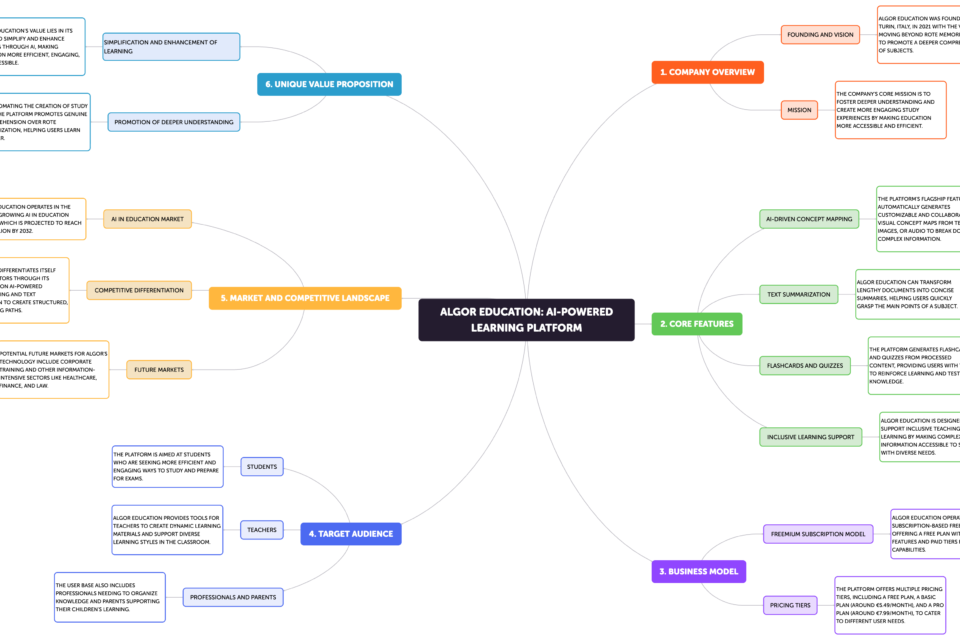
Artificial intelligence is no longer just a classroom tool. It is reshaping how schools hire, teach, assess, and pay for education—while forcing districts and…

Training models gets the headlines, but inference is where AI becomes a product, a cost center, and a competitive advantage. For chips, data centers,…

AI performance is often discussed in terms of bigger models and faster chips, but the real bottleneck is usually upstream: the data pipeline. In…

TSMC dominates chip manufacturing not because it makes every kind of chip, but because it has built the most reliable system for making the…

Large language models are often described as if they were magical text engines. In reality, they are expensive statistical systems built on enormous compute,…