
The New Labor Equation: What AI Changes, What It Doesn’t, and Who Pays the Price
AI is not simply replacing jobs or creating new ones. It is reorganizing work around software, capital, and policy choices that will determine who…
Plain-English reporting on AI, semiconductors, automation, robotics, compute, energy, and the future of work.
AI is not simply replacing jobs or creating new ones. It is reorganizing work around software, capital, and policy choices that will determine who…

Automation is not simply replacing jobs; it is reorganizing which skills, firms, and regions capture value from work….
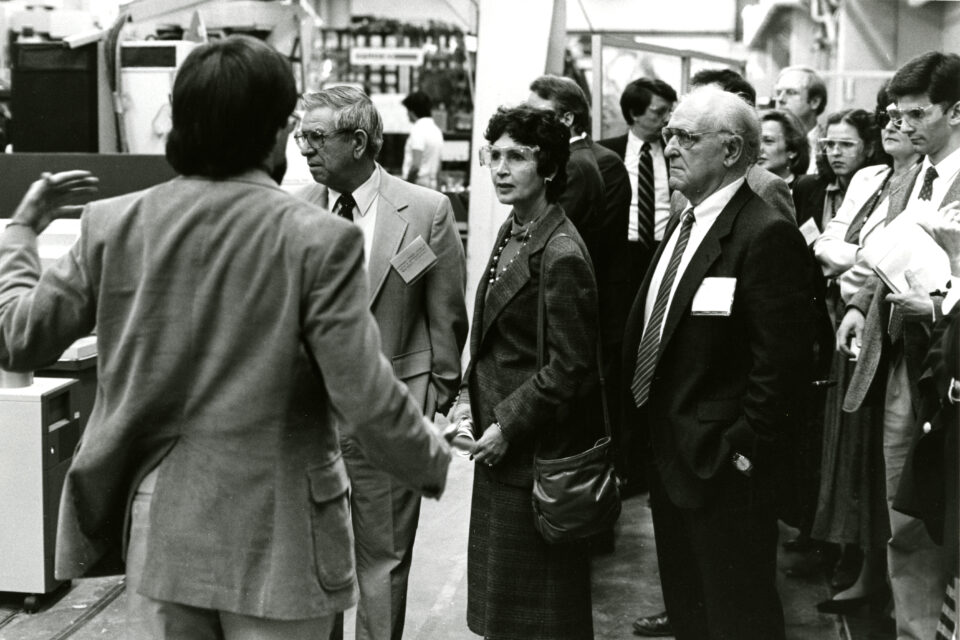
Universal Basic Income is usually framed as a morality play about robots replacing jobs. The more serious question…

As AI systems, robotics, and software continue to compress the cost of labor in more industries, Universal Basic…
AI is changing what work looks like faster than most institutions can adapt. The real question is not whether jobs will disappear overnight, but…
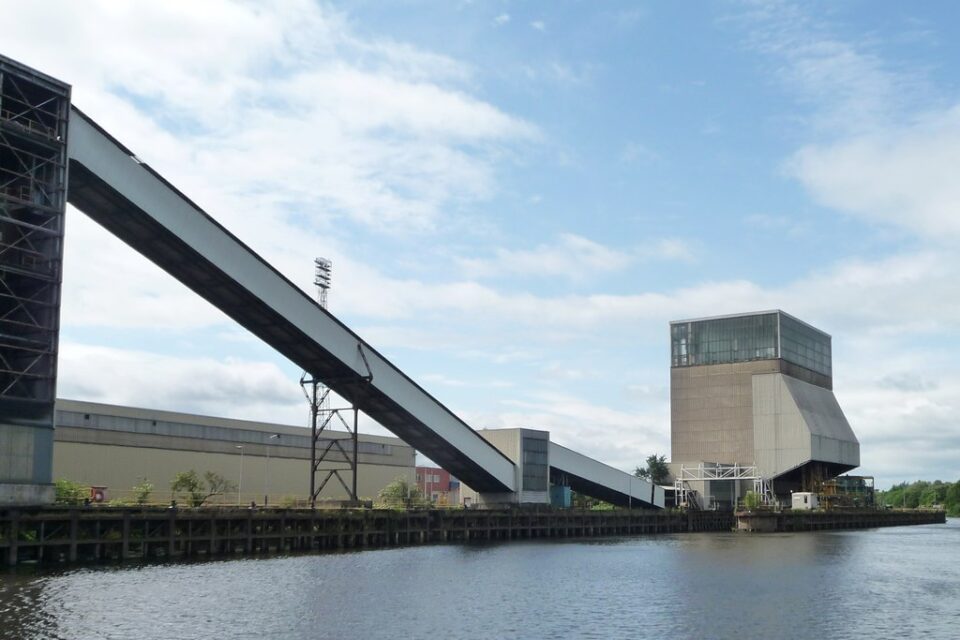
Ten years from now, software will still need people—but not the same number, mix, or leverage as today. The real issue is whether programming…

Automation is no longer just a factory-floor story. It is moving through the stack—robots, software, sensors, warehouses, and back-office systems—and changing which middle-class jobs…

Automation is already reshaping wages, job stability, and public finances before it replaces work at scale. Universal basic income may not be inevitable, but…
Automation is no longer a single wave hitting the middle class evenly. The real story is a split market: roles tied to repeatable tasks…
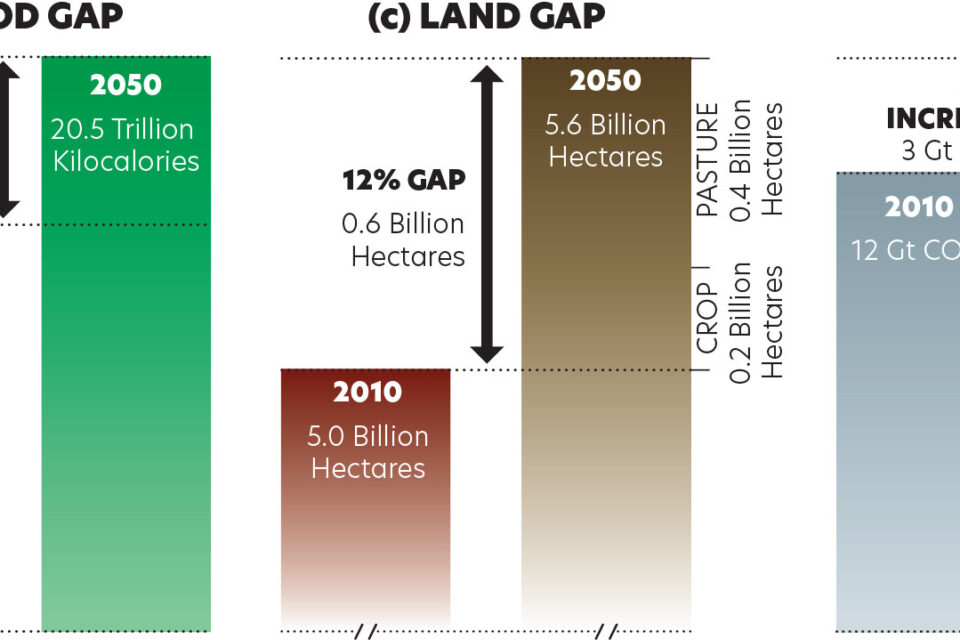
Artificial intelligence is not just a software story. It is starting to reshape productivity, labor markets, trade, capital spending, and the balance of economic…