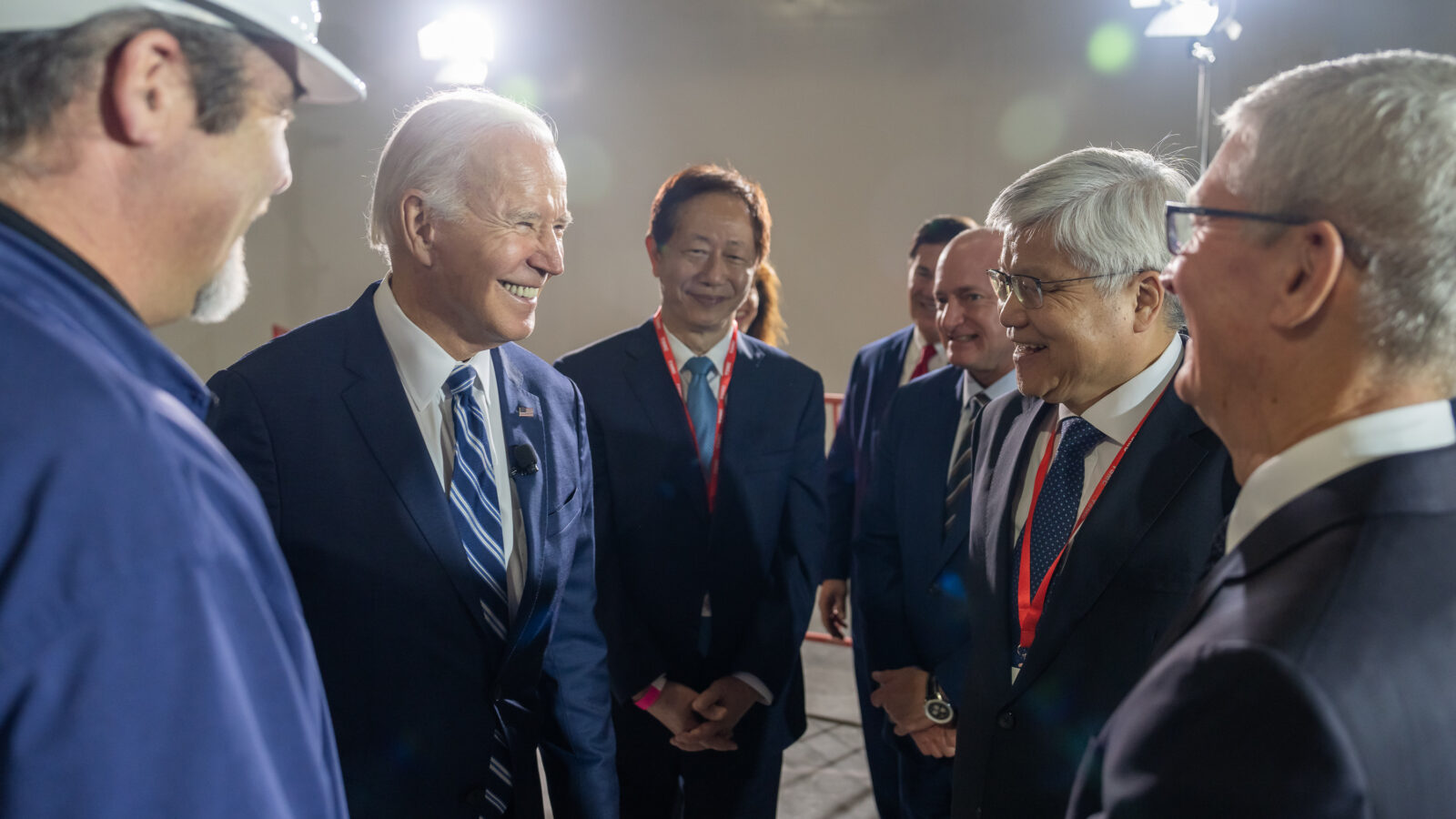
The Manufacturing Edge: Why TSMC Still Sets the Pace in Chips
TSMC’s dominance is not a story of one breakthrough, but of disciplined execution across process technology, packaging, yield, and customer trust. That combination has…
Plain-English reporting on AI, semiconductors, automation, robotics, compute, energy, and the future of work.
TSMC’s dominance is not a story of one breakthrough, but of disciplined execution across process technology, packaging, yield, and customer trust. That combination has…

The chip industry is not one supply chain but a stack of specialized chokepoints, each with its own…
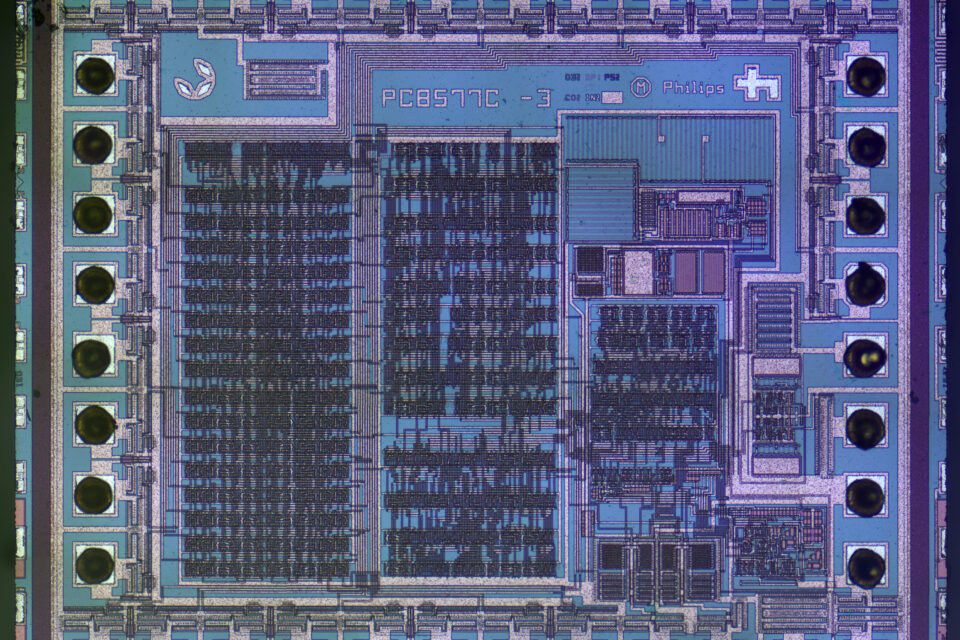
As chipmakers push transistors smaller, more of the real constraint shifts to packaging: the layer that connects dies,…
The global chip supply chain is less a linear pipeline than a network of tightly coupled bottlenecks. From…

The next two logic-node generations promise more transistors in less space, but the real story is where that density translates into usable performance—and where…

Intel is no longer pretending AI will be won by compute alone. Its strategy now hinges on foundry capacity, advanced packaging, and a pricing…
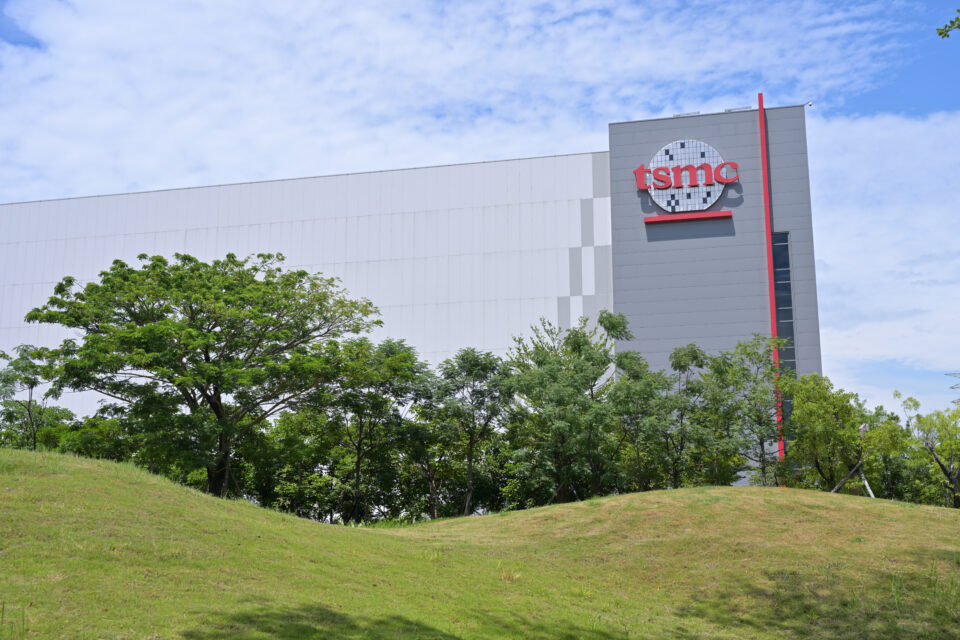
A handful of companies do most of the world’s leading-edge chip manufacturing, but their power comes from very different strengths: process technology, scale, packaging,…
Semiconductors are often discussed as products, but the global chip supply chain is better understood as an industrial system built around bottlenecks, dependencies, and…

Semiconductor manufacturing is a tightly choreographed industrial stack that turns raw silicon into the brains of modern compute. The process is astonishingly precise, capital-intensive,…

A semiconductor fabrication plant is less a factory in the traditional sense than a tightly choreographed system of tools, chemicals, air control, and metrology….