
The Factory That Sees: Where AI Sensors Pay Off—and Where They Don’t
Smart factories are built on a simple promise: if machines can observe themselves in real time, production gets faster, safer, and easier to control….
Plain-English reporting on AI, semiconductors, automation, robotics, compute, energy, and the future of work.
Smart factories are built on a simple promise: if machines can observe themselves in real time, production gets faster, safer, and easier to control….
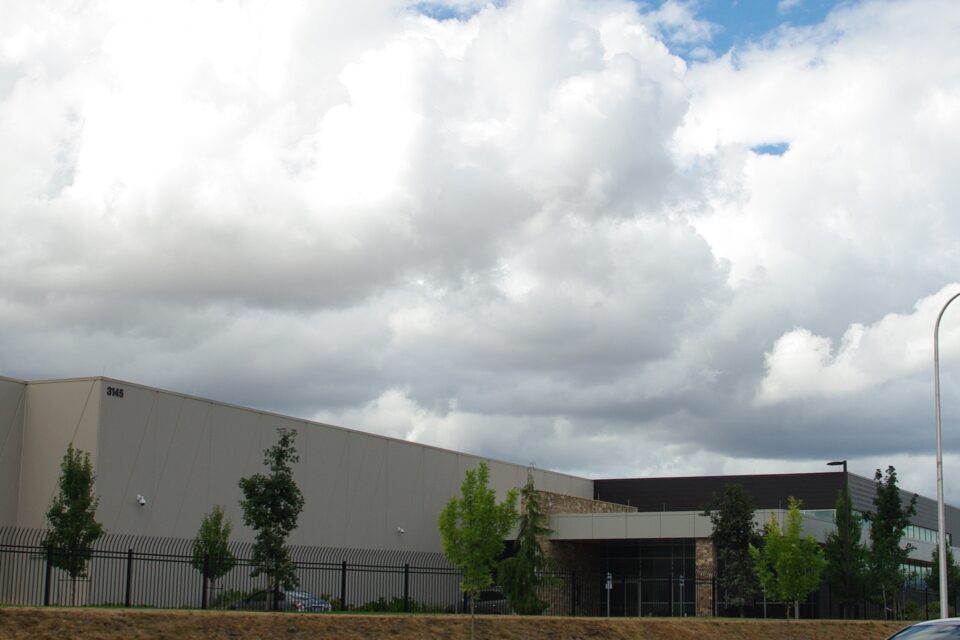
Cloud computing and edge computing are often framed as rivals, but in practice they solve different problems in…

Industrial automation is best understood as a systems challenge: moving work from human hands into software-controlled machines without…
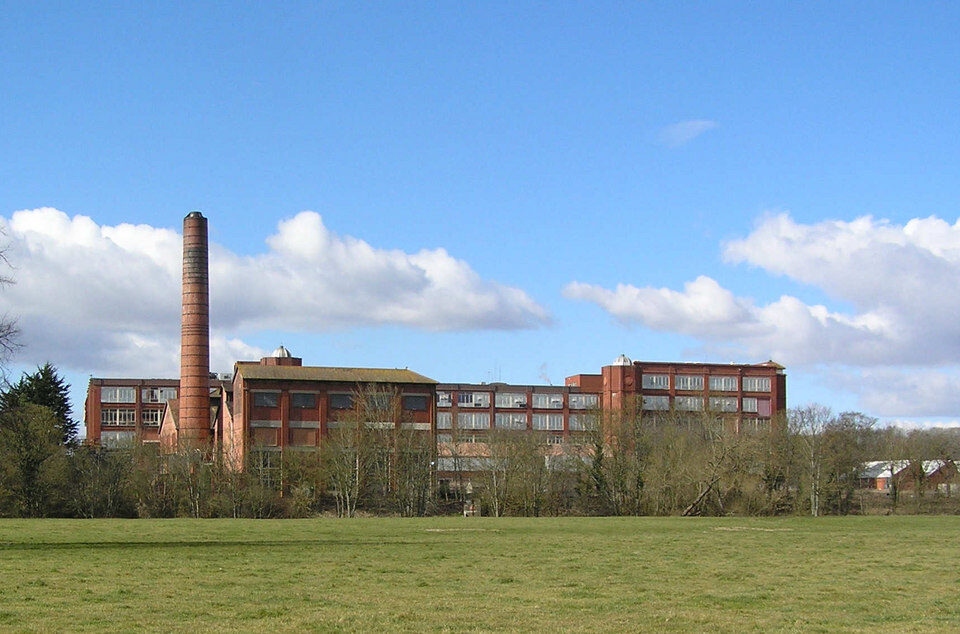
Smart factories are less about a single all-seeing AI system than about matching the right sensors, control loops,…

Smart factories are less about flashy automation than about solving a hard infrastructure problem: turning messy physical operations into data that machines can act…
Cloud computing and edge computing are often presented as rivals, but they solve different problems in the same digital system. The distinction matters for…

Smart factories are not won by adding more AI everywhere. They are won by deciding where to place sensing, how much inference to push…
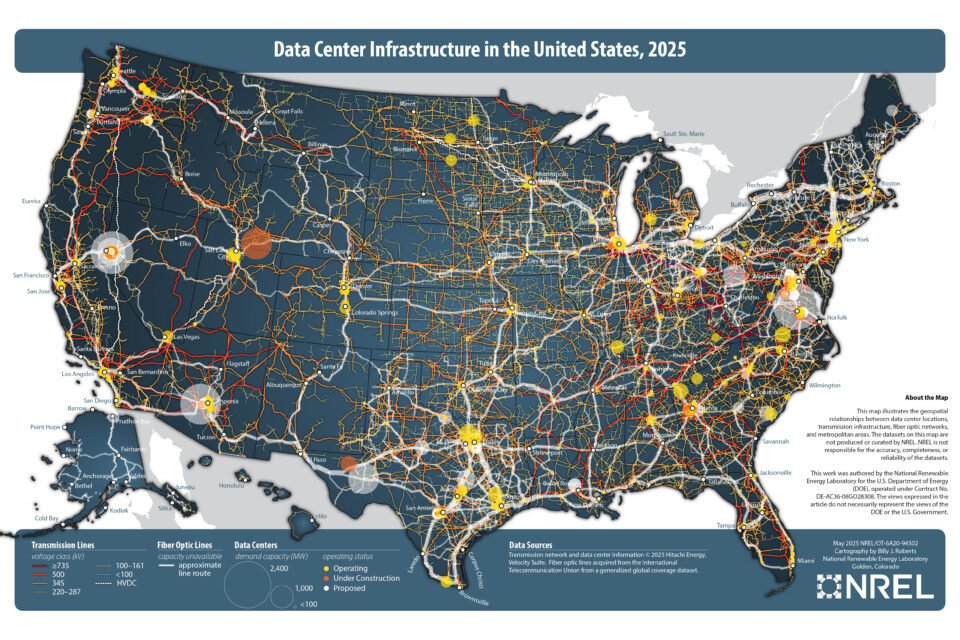
Edge computing is shifting more work out of centralized cloud regions and into factories, stores, cell sites, vehicles, and local micro data centers. The…
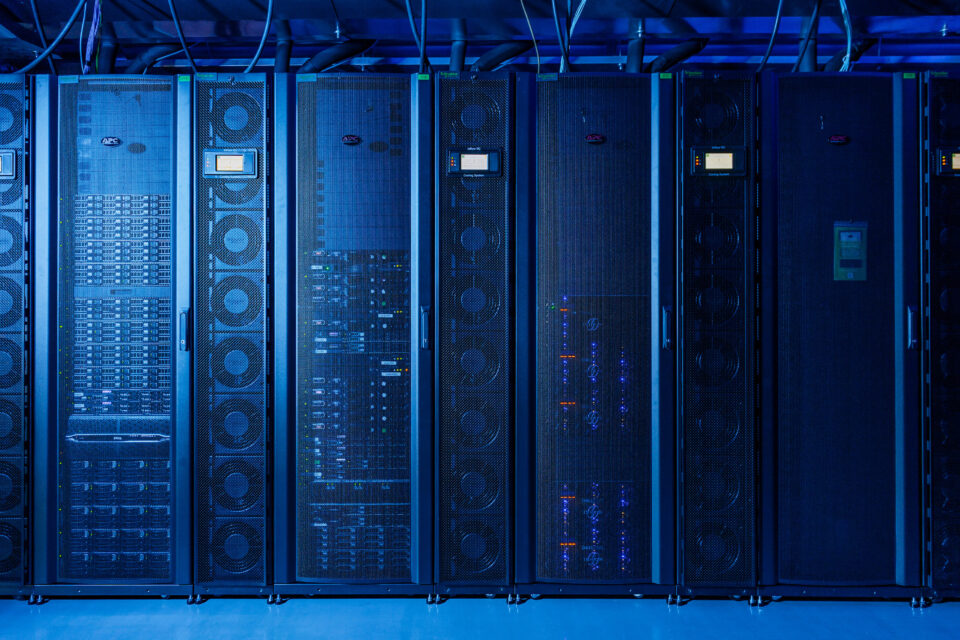
Cloud computing centralizes data and applications in remote data centers, while edge computing pushes processing closer to devices, sensors, and users. The real question…
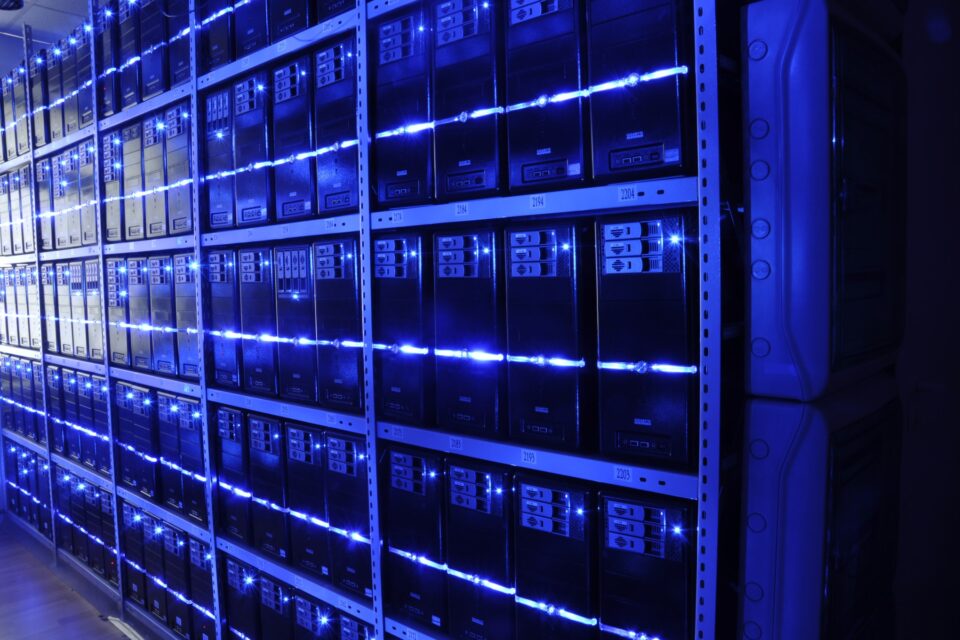
Hyperscale data centers are not just bigger server rooms. They are the purpose-built factories of digital infrastructure, designed to concentrate power, networking, cooling, and…