
The New Labor Equation: What AI Changes, What It Doesn’t, and Who Pays the Price
AI is not simply replacing jobs or creating new ones. It is reorganizing work around software, capital, and policy choices that will determine who…
Plain-English reporting on AI, semiconductors, automation, robotics, compute, energy, and the future of work.
AI is not simply replacing jobs or creating new ones. It is reorganizing work around software, capital, and policy choices that will determine who…
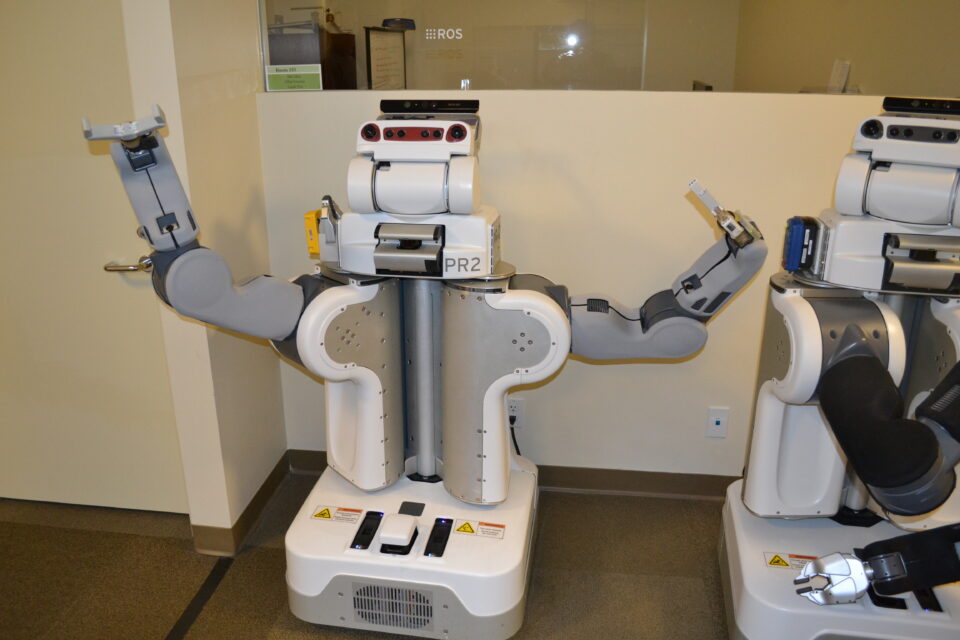
Manufacturing robots are no longer just tools for repetitive welding or painting. The real shift is where they…

Cobots promise safer, more flexible automation by working alongside people instead of behind cages. The real question is…

Amazon did not just adopt warehouse robots; it turned them into a systems-level advantage. Its scale reveals the…

Smart factories are built on a simple promise: if machines can observe themselves in real time, production gets faster, safer, and easier to control….

Smart factories are not powered by one big model. They work when sensors, PLCs, vision systems, and industrial software form a tighter control loop…

Automation is not simply replacing jobs; it is reorganizing which skills, firms, and regions capture value from work. The middle class is feeling that…
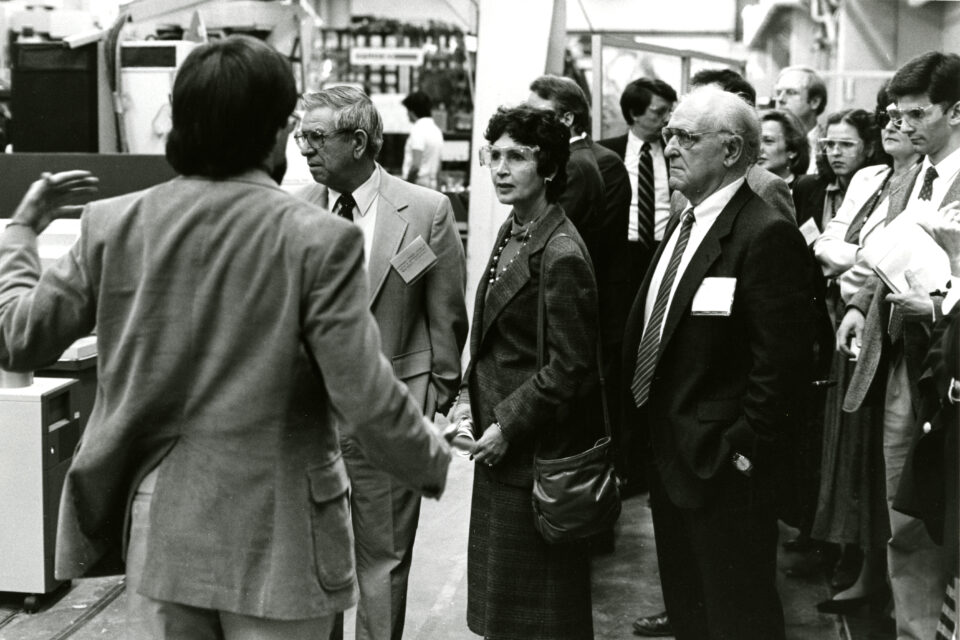
Universal Basic Income is usually framed as a morality play about robots replacing jobs. The more serious question is fiscal: if automation keeps lifting…

Industrial automation is best understood as a systems challenge: moving work from human hands into software-controlled machines without breaking quality, uptime, or economics. The…

The real disruption in AI infrastructure is not just more models—it’s startups attacking the expensive bottlenecks underneath them. From inference hardware to networking, storage,…