
Inside TSMC’s Manufacturing Playbook: Why the World Still Runs Through Taiwan
TSMC dominates chip manufacturing not because it makes every kind of chip, but because it has built the most reliable system for making the…
Plain-English reporting on AI, semiconductors, automation, robotics, compute, energy, and the future of work.
TSMC dominates chip manufacturing not because it makes every kind of chip, but because it has built the most reliable system for making the…

A new generation of startups is attacking AI infrastructure from the bottom up—rebuilding the stack around utilization, latency,…

The chip industry is not one supply chain but a stack of specialized chokepoints, each with its own…
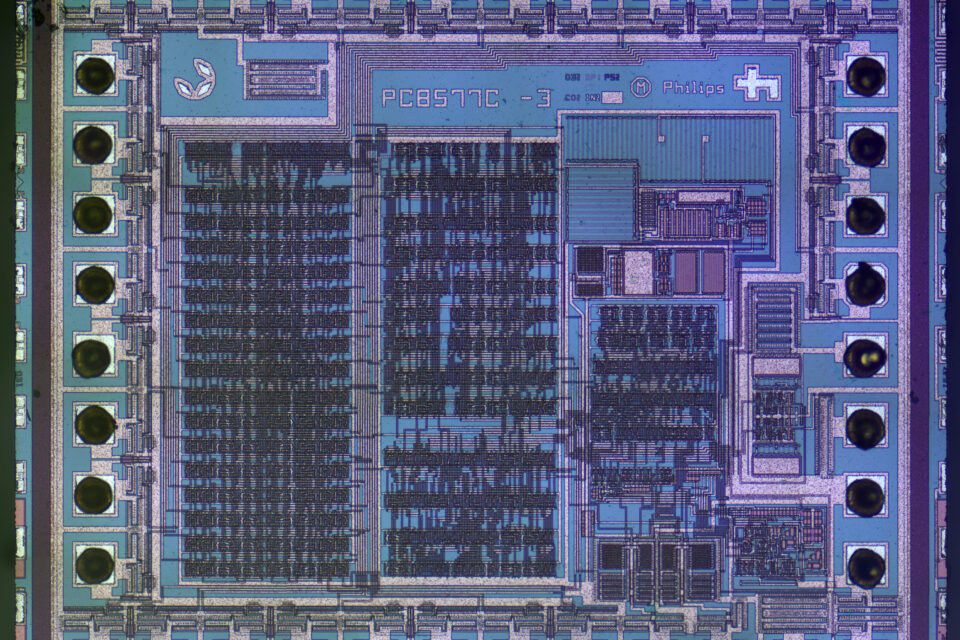
As chipmakers push transistors smaller, more of the real constraint shifts to packaging: the layer that connects dies,…

AI gives robots better perception, planning, and adaptation; robotics gives AI a body that must survive the real world. The valuable systems sit at…
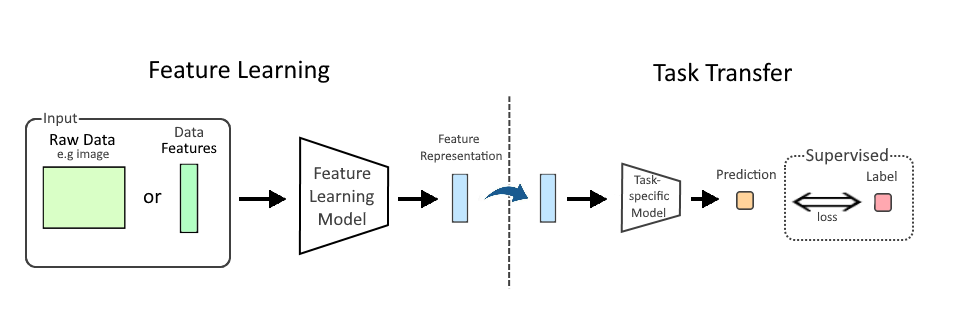
Deep learning is the layer-based machine learning approach that powers everything from image recognition to large language models. Understanding how it works helps explain…

Semiconductors are often discussed as if they emerge from a single breakthrough process, but chipmaking is really a chain of tightly coupled industrial steps…

Chip shortages are not just a manufacturing problem. They change how companies buy, build, price, and invest—from carmakers and cloud providers to industrial firms…

The real disruption in AI infrastructure is not just more models—it’s startups attacking the expensive bottlenecks underneath them. From inference hardware to networking, storage,…

As AI systems, robotics, and software continue to compress the cost of labor in more industries, Universal Basic Income is shifting from a philosophical…