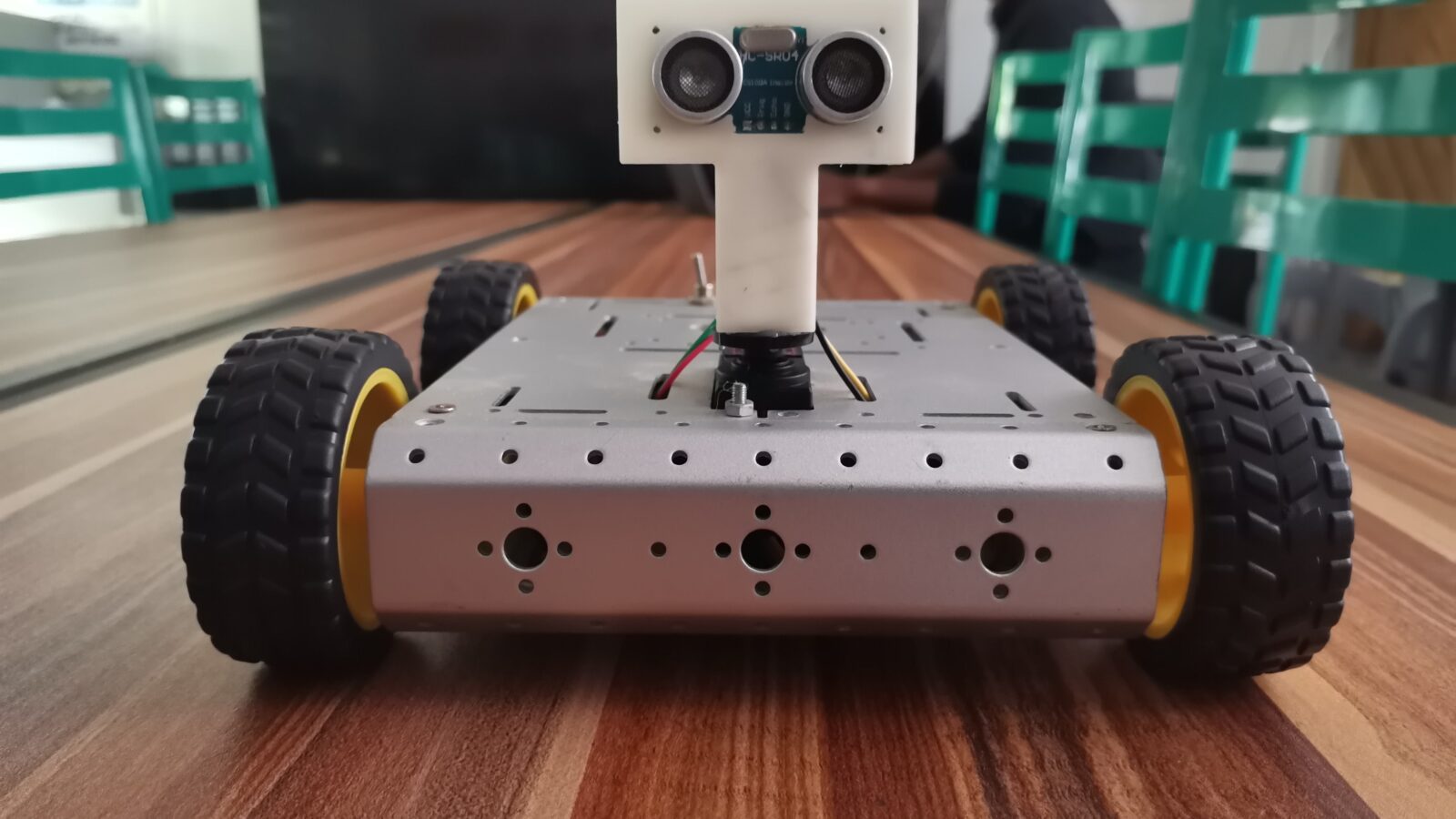
Inside the Warehouse Robotics Shift: Where Automation Pays, and Where It Doesn’t
Robots are no longer just moving bins and pallets in warehouses; they are reshaping how inventory moves, how labor is allocated, and how quickly…
Plain-English reporting on AI, semiconductors, automation, robotics, compute, energy, and the future of work.
Robots are no longer just moving bins and pallets in warehouses; they are reshaping how inventory moves, how labor is allocated, and how quickly…

AI is not simply replacing jobs or creating new ones. It is reorganizing work around software, capital, and…

A new generation of startups is attacking AI infrastructure from the bottom up—rebuilding the stack around utilization, latency,…

APIs are the control plane of modern applications: they let services, apps, and devices exchange data without knowing…

Smart factories are not powered by one big model. They work when sensors, PLCs, vision systems, and industrial software form a tighter control loop…

Automation is not simply replacing jobs; it is reorganizing which skills, firms, and regions capture value from work. The middle class is feeling that…

Universal Basic Income is usually framed as a morality play about robots replacing jobs. The more serious question is fiscal: if automation keeps lifting…
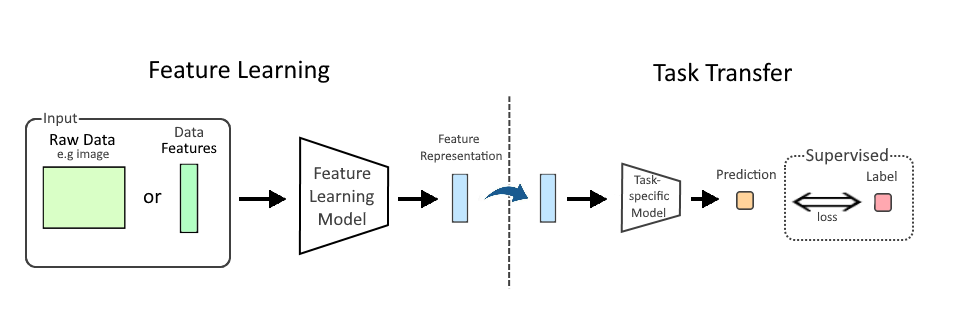
Deep learning is the layer-based machine learning approach that powers everything from image recognition to large language models. Understanding how it works helps explain…

The real disruption in AI infrastructure is not just more models—it’s startups attacking the expensive bottlenecks underneath them. From inference hardware to networking, storage,…

As AI systems, robotics, and software continue to compress the cost of labor in more industries, Universal Basic Income is shifting from a philosophical…