Inside the Robotics Playbooks That Could Define 2030
The next robotics winners will not be the companies with the flashiest demos, but the ones that solve deployment: reliability, unit economics, software integration,…
Plain-English reporting on AI, semiconductors, automation, robotics, compute, energy, and the future of work.
The next robotics winners will not be the companies with the flashiest demos, but the ones that solve deployment: reliability, unit economics, software integration,…

Smart factories are less about flashy automation than about solving a hard infrastructure problem: turning messy physical operations…

APIs are the connective tissue of modern applications: the layer that lets front ends, back ends, cloud services,…
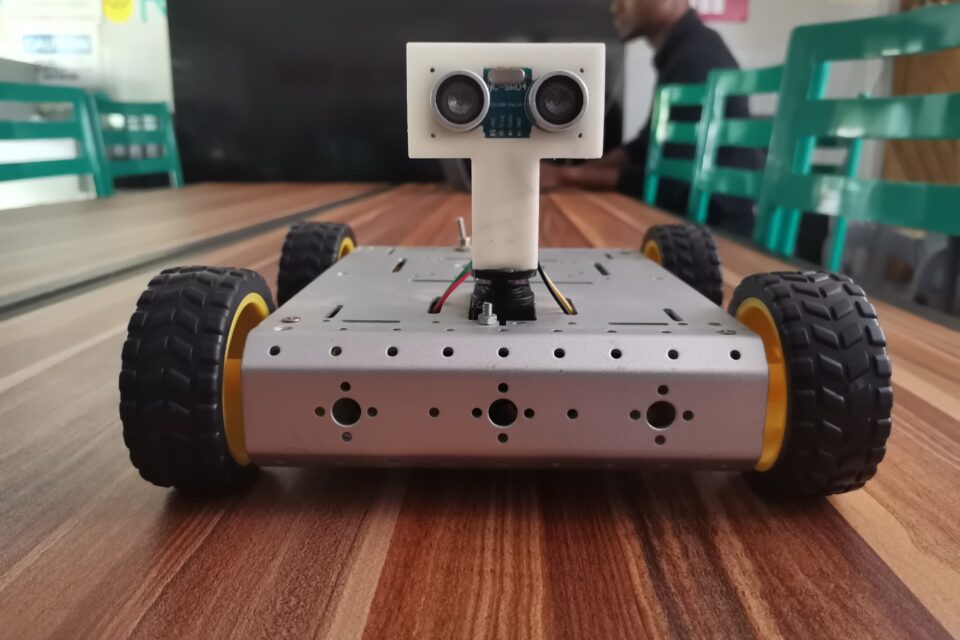
Robotics is reshaping warehouses less by replacing workers outright than by tightening the flow between software, machines, inventory,…

Smart factories are not won by adding more AI everywhere. They are won by deciding where to place sensing, how much inference to push…

Automation is already reshaping wages, job stability, and public finances before it replaces work at scale. Universal basic income may not be inevitable, but…

The most important robotics players for 2030 will not be the flashiest demos, but the companies that can manufacture reliably, integrate software tightly, and…
AI gives robots perception, planning, and adaptability; robotics supplies the motors, sensors, and safety systems that turn those capabilities into action. The real story…

Automation is no longer a single wave hitting the middle class evenly. The real story is a split market: roles tied to repeatable tasks…

Generative AI is more than a chatbot trend. It is a new class of software that changes how models are trained, deployed, and scaled—and…