
OpenAI’s Model-Scaling Playbook Is Really a Compute Story
OpenAI’s competitive edge is not just better models; it is the ability to turn research ideas into massive training runs, then ship them through…
Plain-English reporting on AI, semiconductors, automation, robotics, compute, energy, and the future of work.
OpenAI’s competitive edge is not just better models; it is the ability to turn research ideas into massive training runs, then ship them through…

A new class of startups is not just selling AI infrastructure; it is exposing where the market is…

Cloud computing looks intangible from the outside, but every request rides on a stack of servers, networking gear,…

Google is no longer the only company that matters in AI, but it still occupies a uniquely powerful…

Google is not trying to win the AI market with a single product. It is competing by controlling the stack: models, chips, cloud infrastructure,…

Governments are no longer treating AI as a vague future risk. They are writing rules around how models are trained, deployed, audited, and monitored…

Amazon did not just adopt warehouse robots; it turned them into a systems-level advantage. Its scale reveals the real bottlenecks in modern fulfillment: labor,…

Artificial intelligence is often framed as a problem of bias or safety, but the deeper issue is who controls the systems, who bears the…
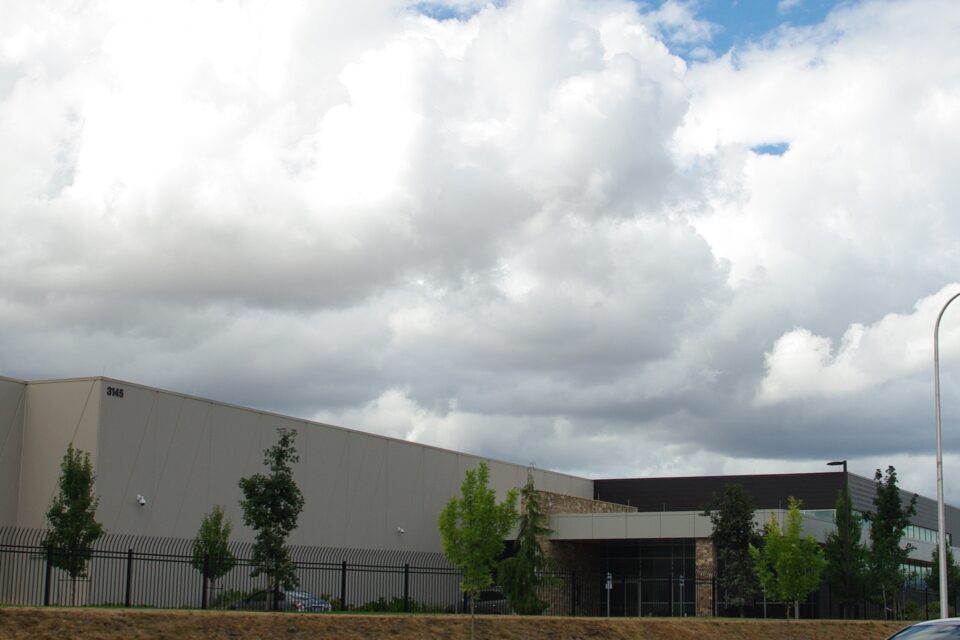
Cloud computing and edge computing are often framed as rivals, but in practice they solve different problems in the same stack. The real choice…

TSMC is not just a chipmaker; it is the manufacturing bottleneck that shapes the pace of AI hardware, smartphone silicon, and advanced computing worldwide….