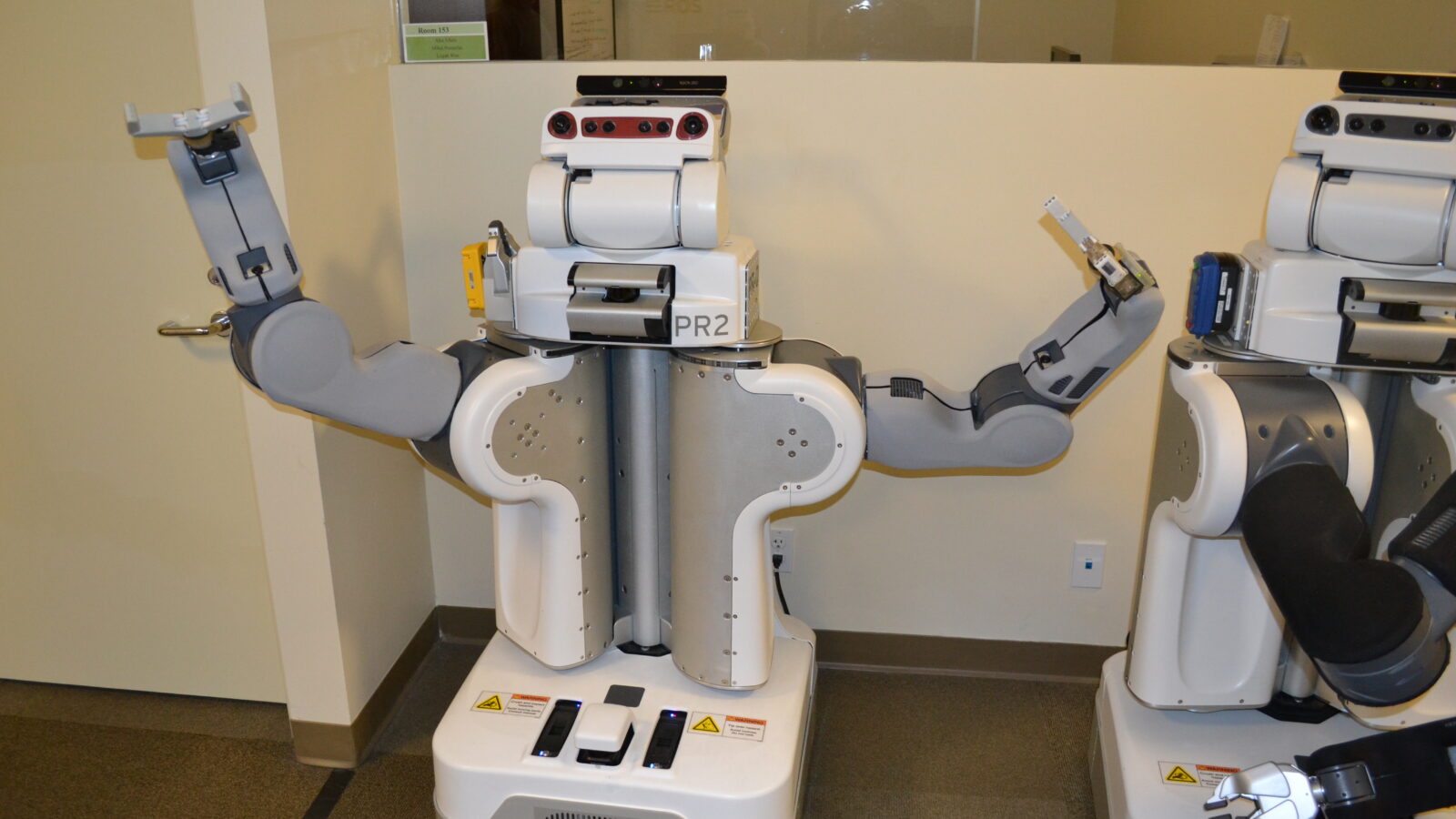
Robots Don’t Replace the Factory Floor — They Rewire It
Manufacturing robots are no longer just tools for repetitive welding or painting. The real shift is where they fit in the workflow: alongside human…
Plain-English reporting on AI, semiconductors, automation, robotics, compute, energy, and the future of work.
Manufacturing robots are no longer just tools for repetitive welding or painting. The real shift is where they fit in the workflow: alongside human…

Cobots promise safer, more flexible automation by working alongside people instead of behind cages. The real question is…

Smart factories are built on a simple promise: if machines can observe themselves in real time, production gets…
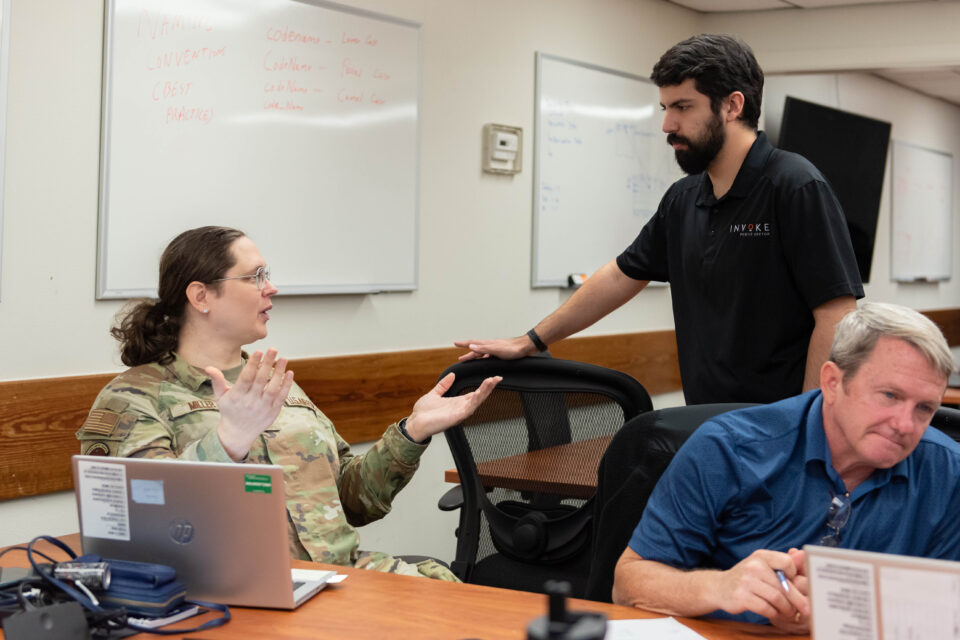
AI is making robots more capable, but the hard part is still deployment: power, latency, reliability, and the…

Smart factories are not powered by one big model. They work when sensors, PLCs, vision systems, and industrial software form a tighter control loop…

AI gives robots better perception, planning, and adaptation; robotics gives AI a body that must survive the real world. The valuable systems sit at…

Industrial automation is best understood as a systems challenge: moving work from human hands into software-controlled machines without breaking quality, uptime, or economics. The…

AI is making robots more capable, but the real constraint is no longer model quality alone. The harder problem is how to fit perception,…
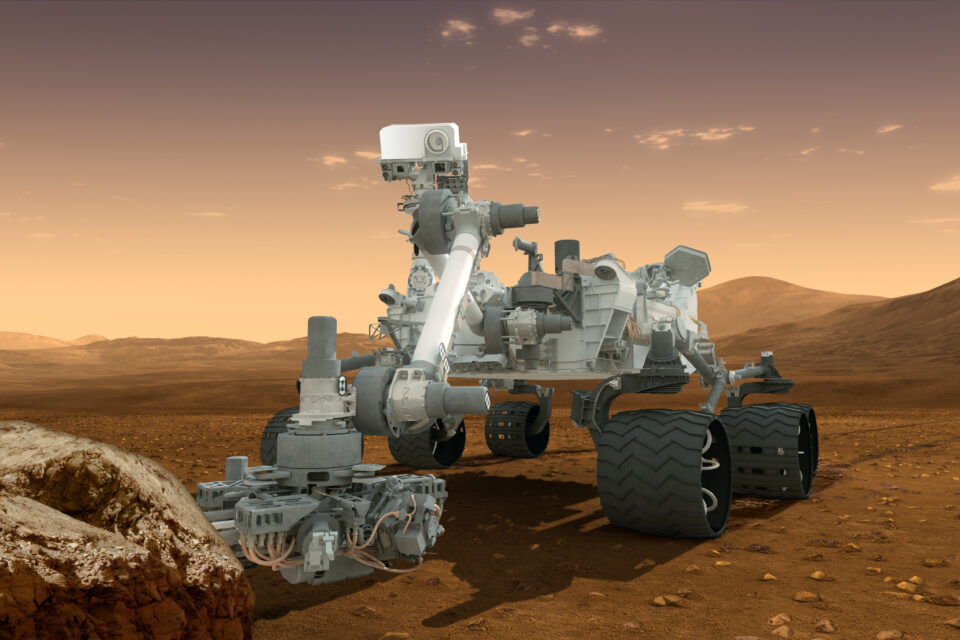
Boston Dynamics has turned advanced robotics into a deployment problem, not just a hardware problem. The company’s real challenge is making robots useful where…

Robots are already transforming manufacturing, but the limiting factor is usually not the machine itself. The real bottlenecks are the surrounding systems: perception, end-effectors,…